

Brain-Based Chiropractic Care for Kids: Supporting Development Through the Nervous System
/As parents, we instinctively want to give our children the best start in life—not just physically, but emotionally, neurologically, and developmentally. Increasingly, families are exploring brain-based chiropractic care as a way to support their child’s growing nervous system.
But what does this actually mean? And what does the research say?
Let’s explore this through a grounded, evidence-informed lens—one that honours both the potential and the current limitations of what we know.
What Is Brain-Based Chiropractic Care?
Brain-based chiropractic care focuses on the relationship between the spine and the nervous system—particularly how sensory input from the body influences brain development, regulation, and function.
At its core, this approach recognises that:
The brain develops through movement, sensory input, and experience
The spine houses and protects the spinal cord (a key communication pathway)
Subtle dysfunction in movement or posture may influence how the nervous system processes information
Rather than simply “treating symptoms,” this model aims to support optimal communication between the brain and body, especially during critical developmental windows.
Why the Nervous System Matters in Childhood
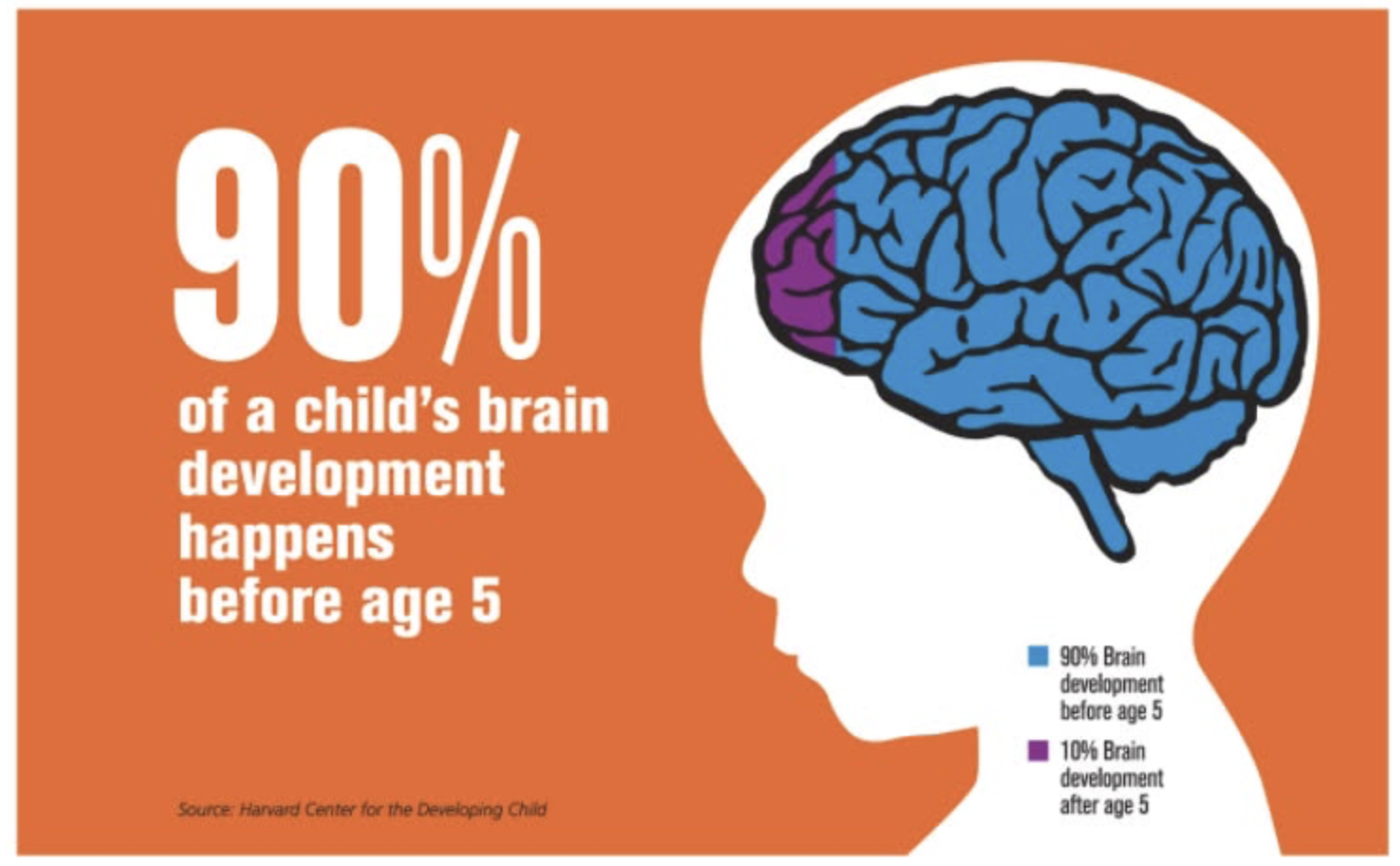
Childhood is a period of rapid neurological growth. In fact:
The brain forms millions of neural connections every second in early life
Movement, touch, and environmental interaction shape these pathways
Postural control and sensory integration are foundational to learning, behaviour, and emotional regulation
Research in paediatric movement science shows that improving trunk control and postural stability can significantly impact overall function and development in children. 1.
This is where a brain-based chiropractic approach often sits—supporting sensorimotor integration, rather than simply focusing on structure alone.
How Brain-Based Chiropractic Care May Support Kids
Within an evidence-informed framework, potential areas of support include:
1. Movement and Posture
Improving spinal mobility and postural awareness may support physical development and coordination.
2. Sensory Processing
Gentle input through touch and movement may influence how the nervous system processes sensory information.
3. Regulation
Some children appear calmer or more settled following care—possibly linked to shifts in autonomic nervous system tone.
4. Body Awareness
Supporting proprioception (body awareness) can influence confidence, coordination, and learning readiness.
A Simple Home Exercise for Families
One of the most powerful ways to support your child’s brain development is through intentional, playful movement.
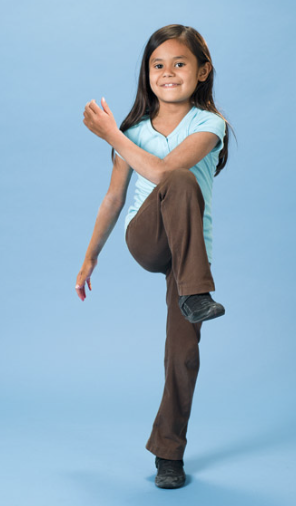
*** Exercise: “Cross-Crawl Patterning”
Why it matters:
Cross-body movements help integrate the left and right hemispheres of the brain, supporting coordination, reading readiness, and attention.
How to do it:
Have your child stand or crawl (depending on age)
Encourage them to:
Touch right hand to left knee
Then left hand to right knee
Continue alternating in a slow, rhythmic pattern
Add fun—music, counting, or a story
For babies:
Gently guide opposite arm and leg movements during tummy time.
For older children:
Turn it into a game—marching, obstacle courses, or dance.
Duration:
1–3 minutes daily is enough to create meaningful input.
Integrating Care Thoughtfully
If you’re considering brain-based chiropractic care for your child:
Seek a practitioner with paediatric-specific training
Ensure care is gentle, developmentally appropriate, and transparent
Maintain open communication with your GP, paediatrician, or allied health team
View care as part of a holistic approach, including movement, nutrition, sleep, and emotional support
Final Thoughts
Children need supported nervous systems, safe environments, and opportunities to move, explore, and grow.
Brain-based chiropractic care offers one lens through which to support this process. When approached with integrity, collaboration, and evidence awareness, it can be part of a broader conversation about helping children thrive.
The most powerful medicine still remains simple:
connection, movement, and presence.
Sources:
https://www.researchgate.net/publication/329364975_Functional_change_in_children_with_cerebral_palsy